BLOCKING: Struzan Perspective Part 3
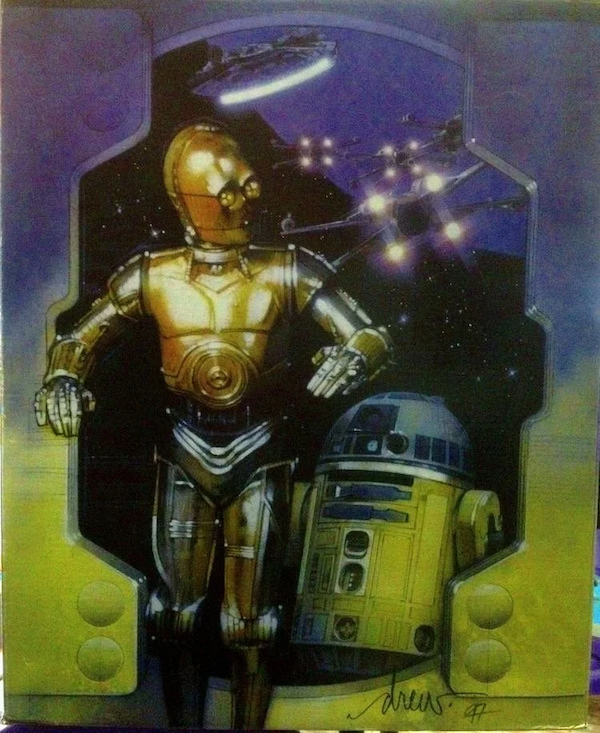
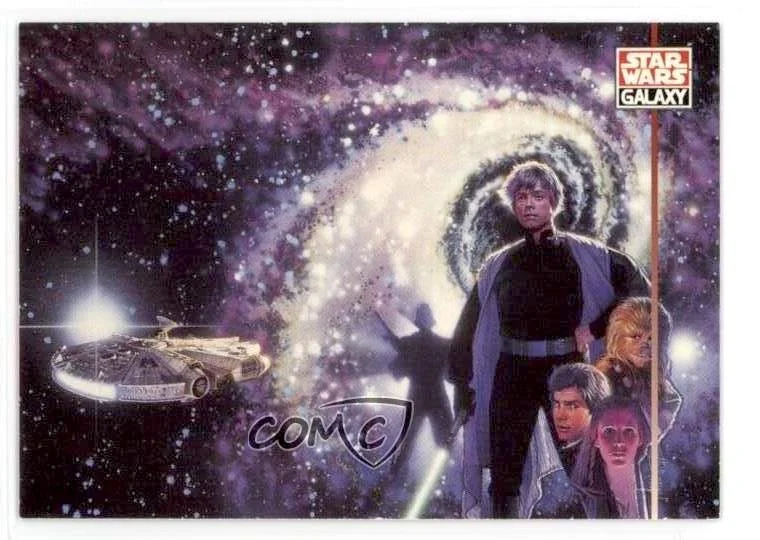
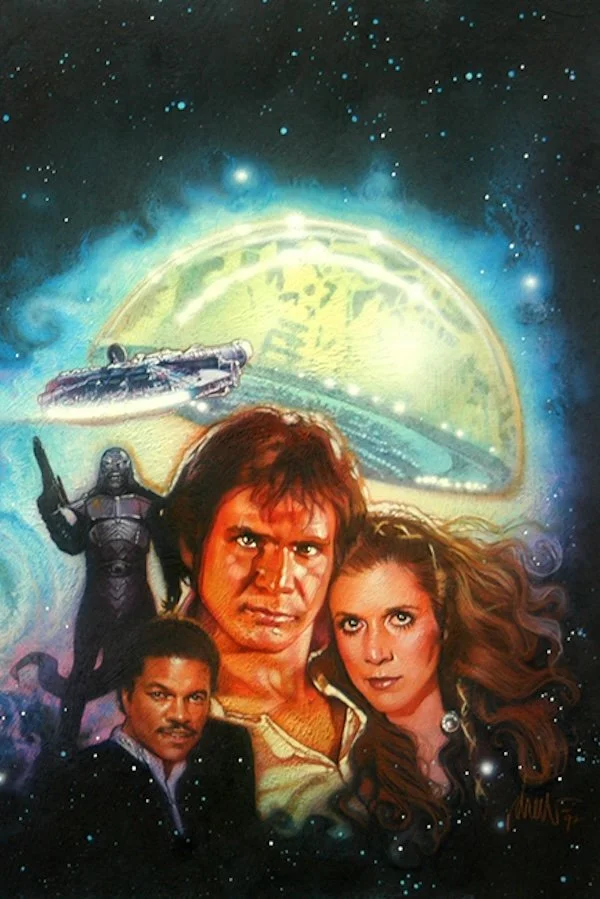
For this Struzan study, I wanted to learn more about what exactly Struzan picks for his compositions. Why did he choose these elements over others? After a lot of digging, I came to another conclusion for Struzan’s image casting process: He chooses subjects and objects photographed at an angle.
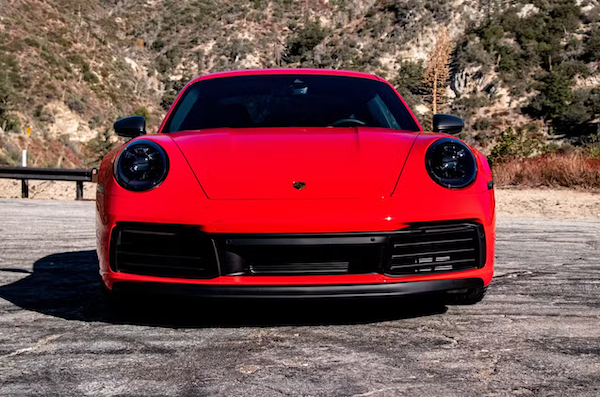
For example, the image below is not what Struzan would usually prefer:
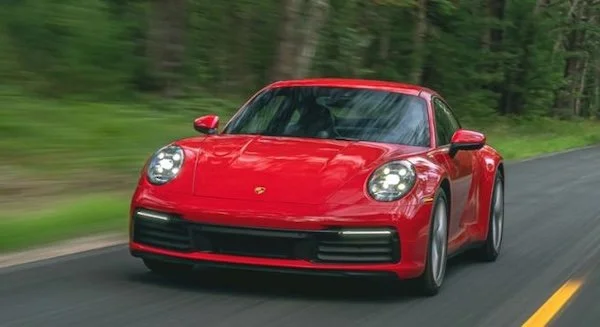
This would be a better fit - the object at an angle, showing off the dimensionality:
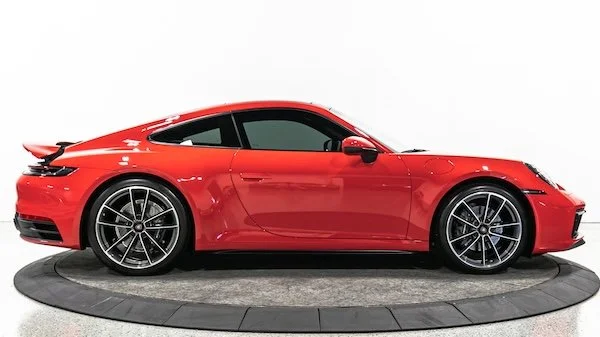
He often doesn’t have featured images in profile:
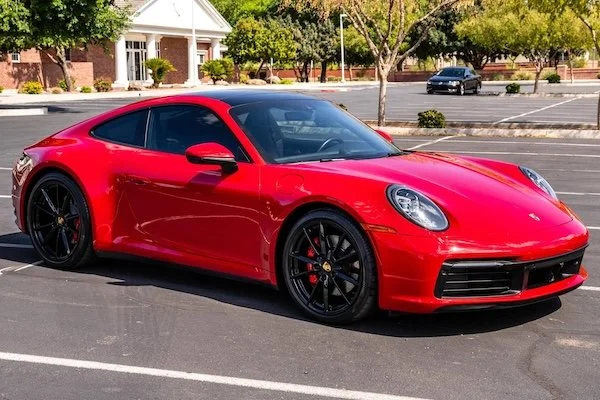
This would be the preferred image:
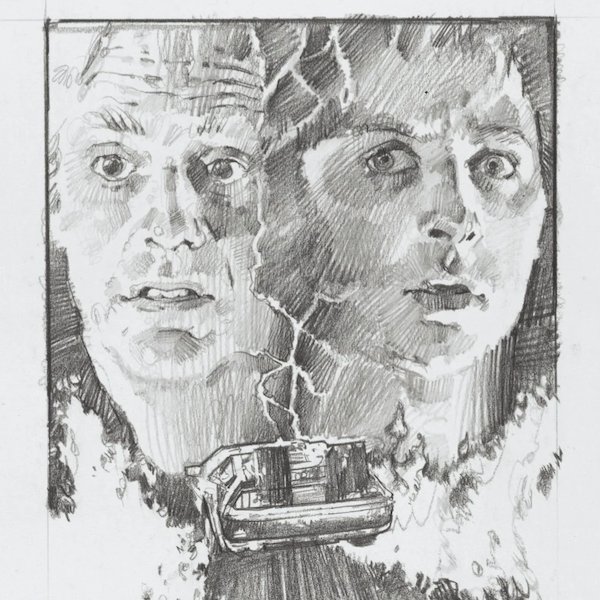
The Back to the Future images below show how choosing an angled view of the car adds more depth to the composition and the posters do not feel static:
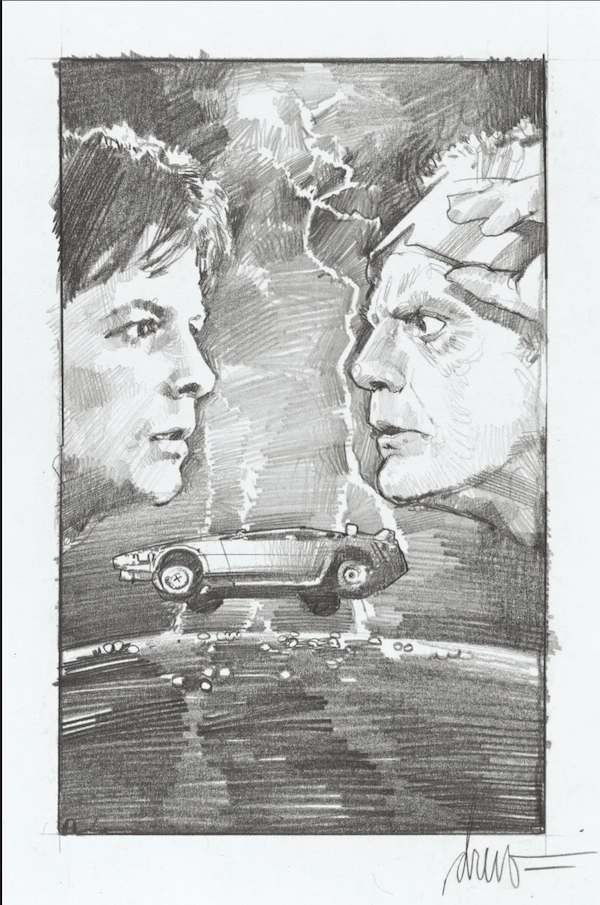
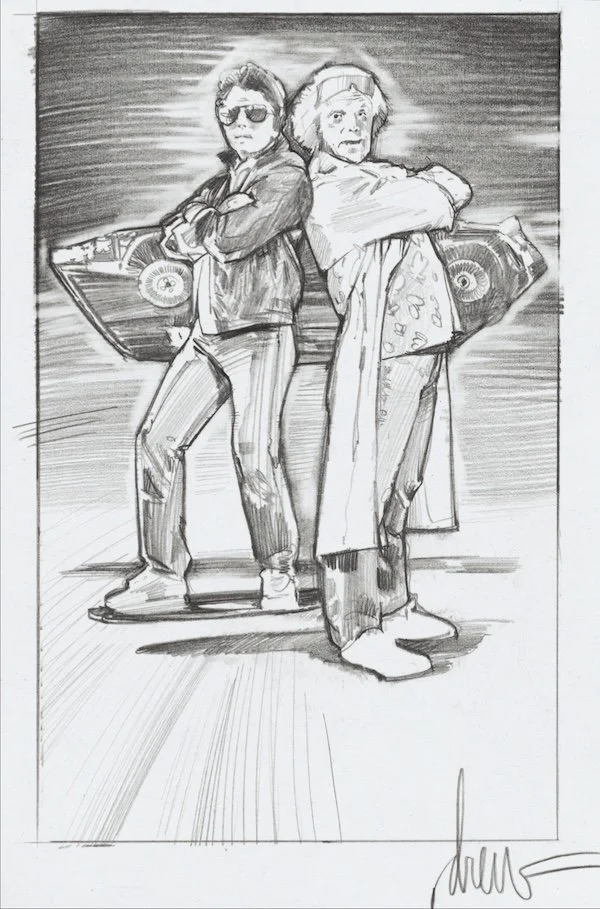
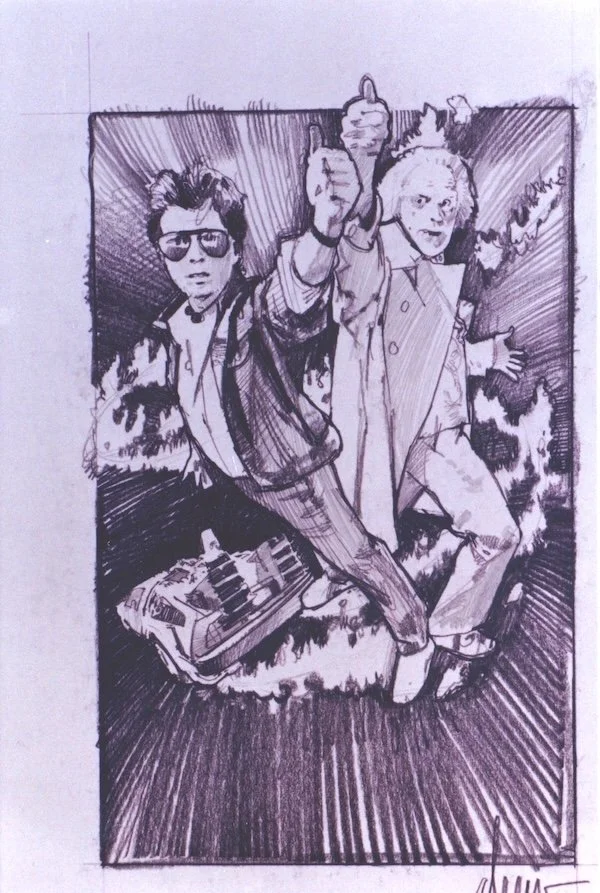
something always in angled perspective
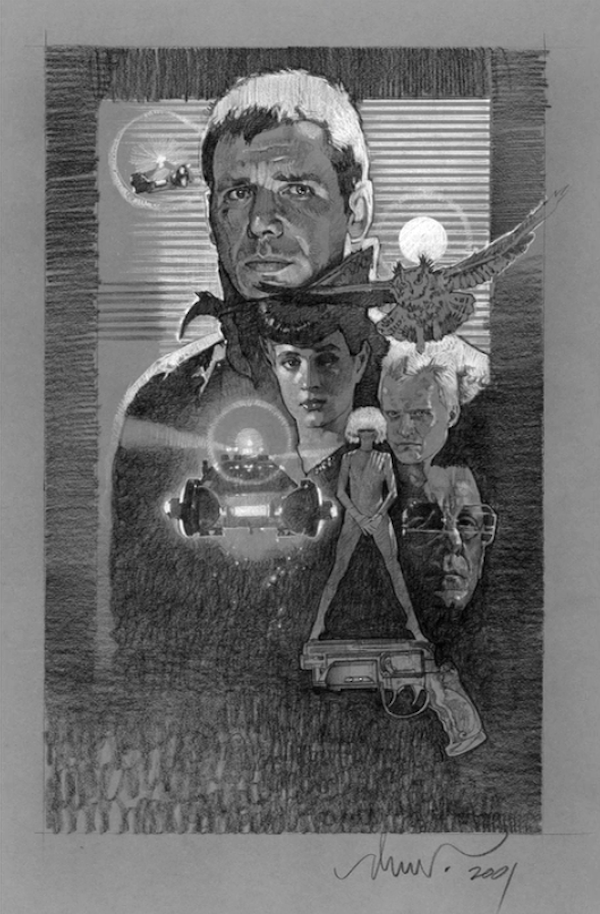
Even when Struzan does choose head-on images (flying cars in the example below), other subjects are angled:
Harrison Ford is slightly off at an angle
The Owl’s wings are curved, we are not seeing the owl flat-on
The woman is also photographed at an angle, we only fully see one ear
The two supporting male characters are also photographed at 3/4 angles
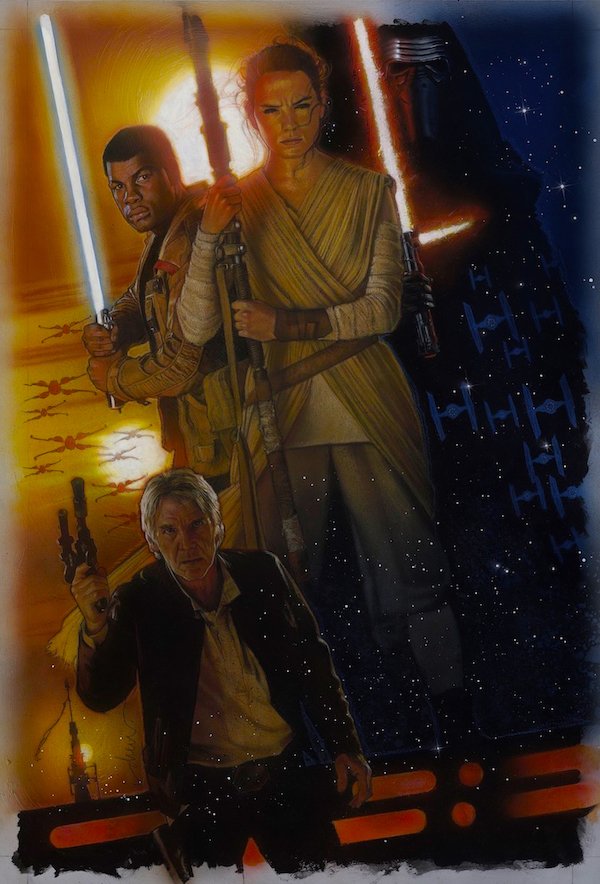
In Struzan’s Force Awakens poster below, while the characters are mostly face-on and the ships are face on, the characters themselves all have 3D aspects to them: their hands are angled, and Finn is at an angle
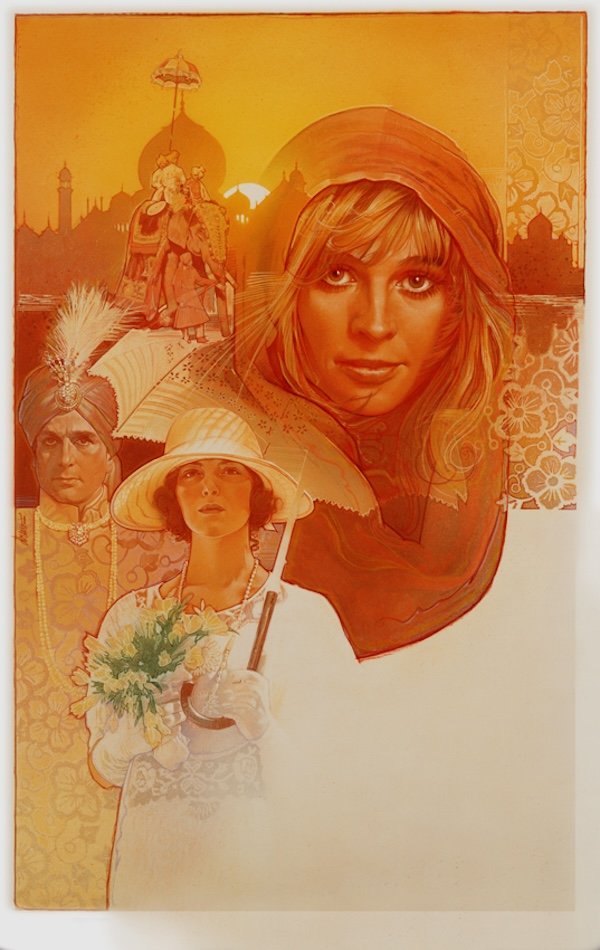
In Head and Dust below, we see the elephant vignette scene is angled:
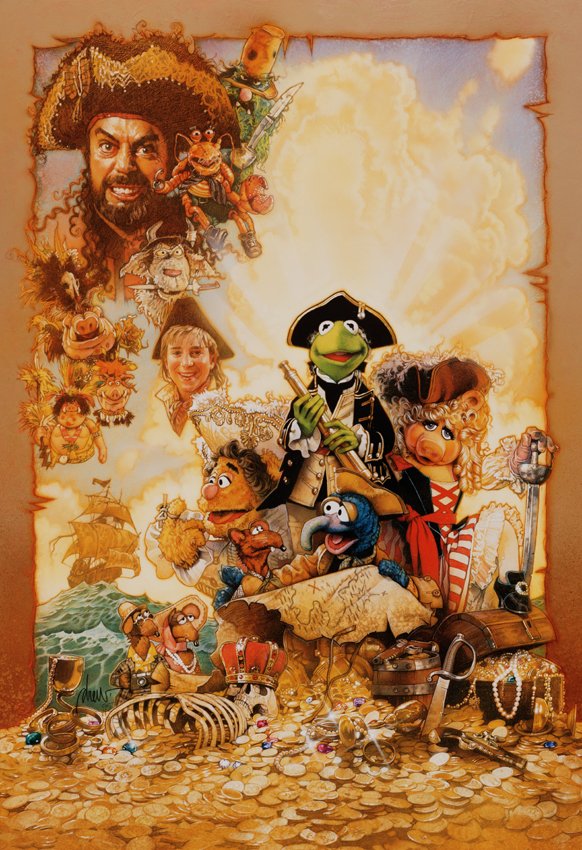
In the Muppet Treasure Island example below, we see the pirate ship is angled:
PERSPECTIVE BASE
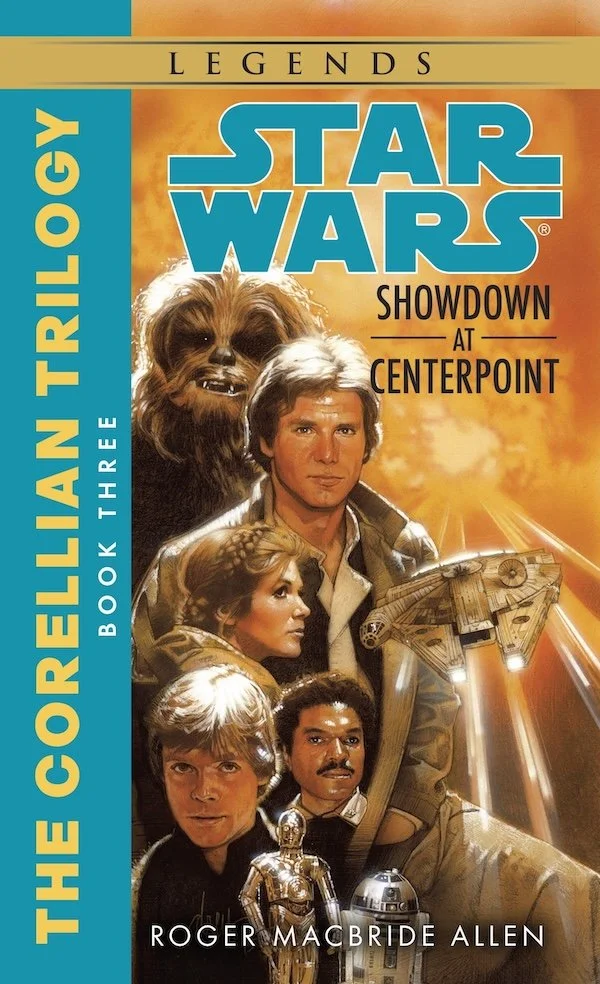
In the two compositions below, the base of the posters are build on scenes with strong perspective.
The perspective scene below is the Falcon emerging with action lines from an explosion:
The perspective scene below is the water lilies on the lake:
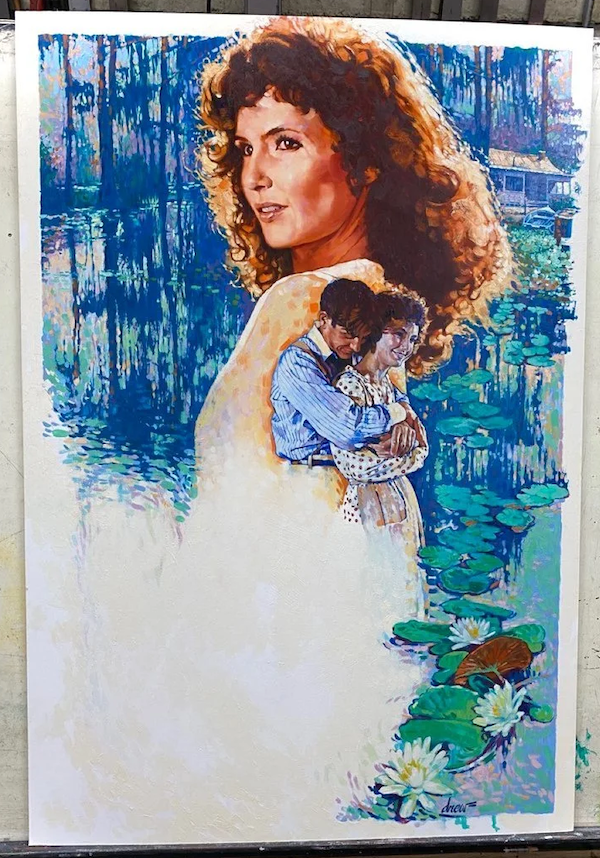
3D WRAP AROUND
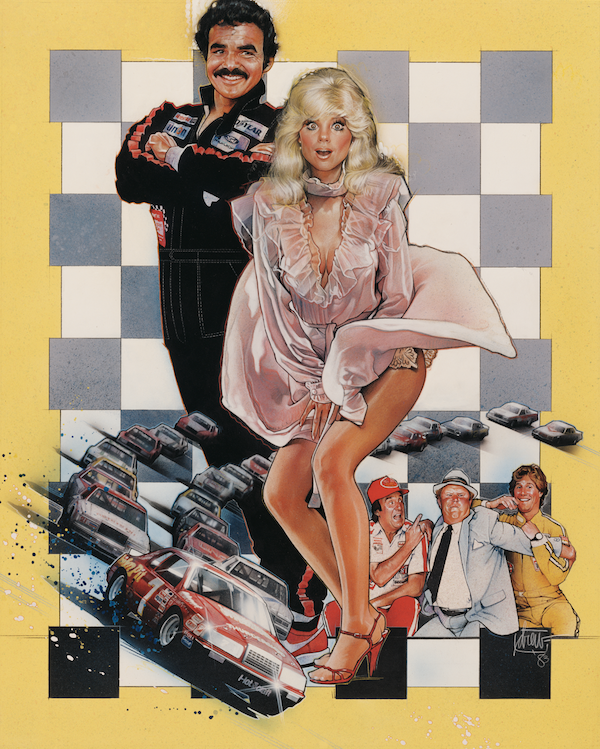
The 3D wrap around perspective that Struzan uses is when objects in a straight line are “photographed” with a fisheye lens and no longer appear in a straight line. For example, you see both the front and backs on cars that are in a straight line:
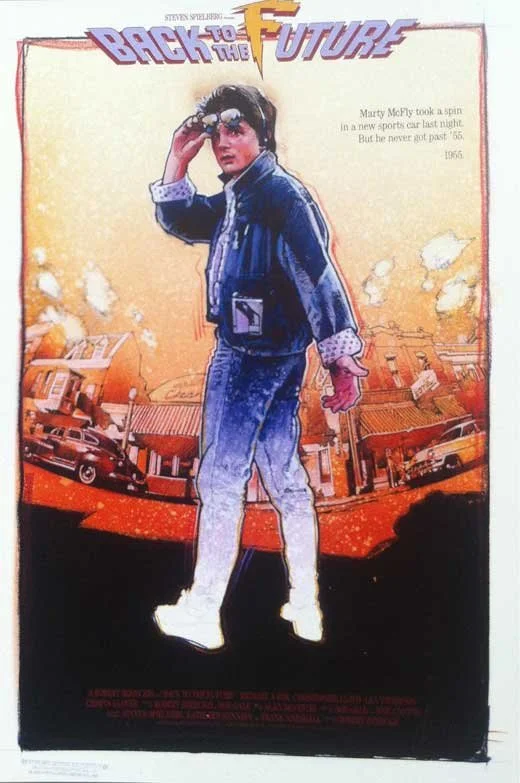
Similar effect with the horses:
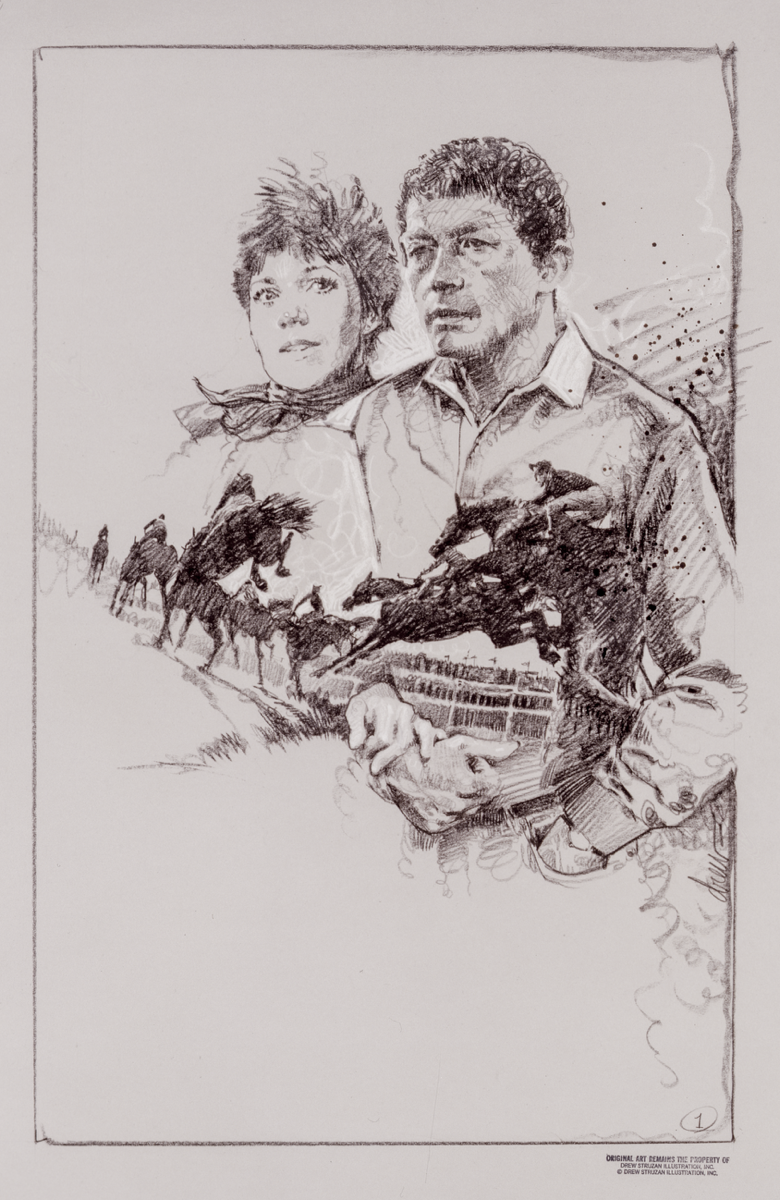
The effect is simulated here, not with a fisheye lens, but with long lines of objects like ships or cars that have paths that “bend” in space making the flight path or driving path appear 3D:
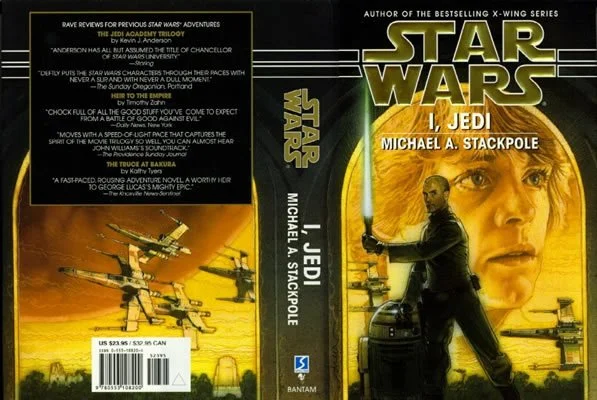
Similar in the example below:
BACKWARDS IN DEPTH
Lastly, and what surprised me the most was how often he features objects like cars and ships going… backwards. I’m very used to objects “popping” out of the poster, but this was interesting to see.
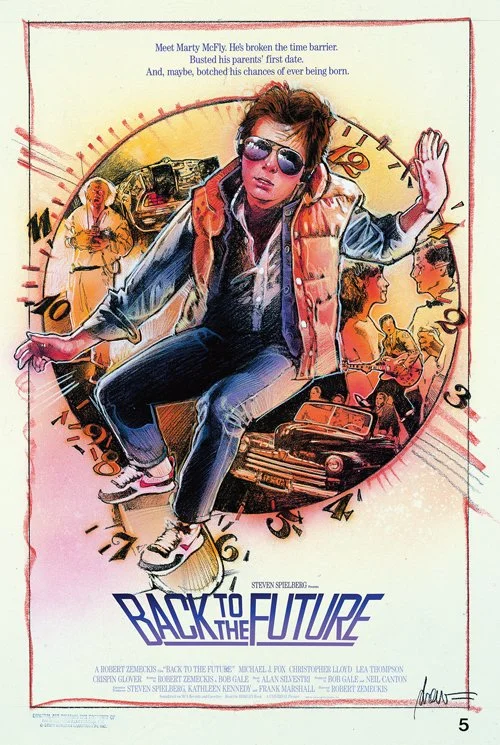
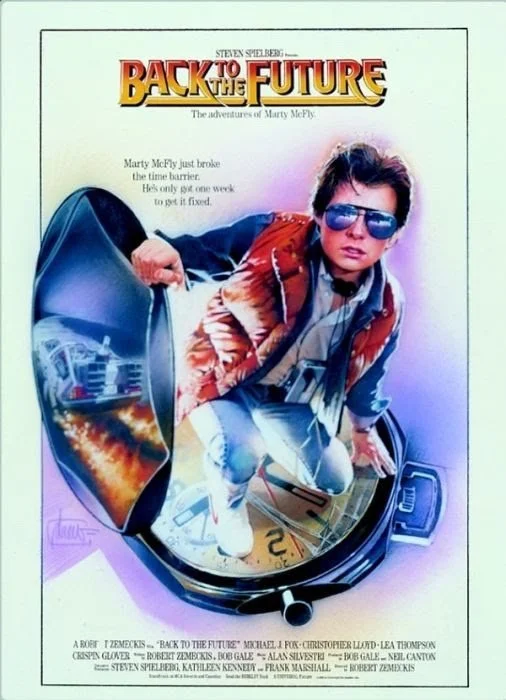
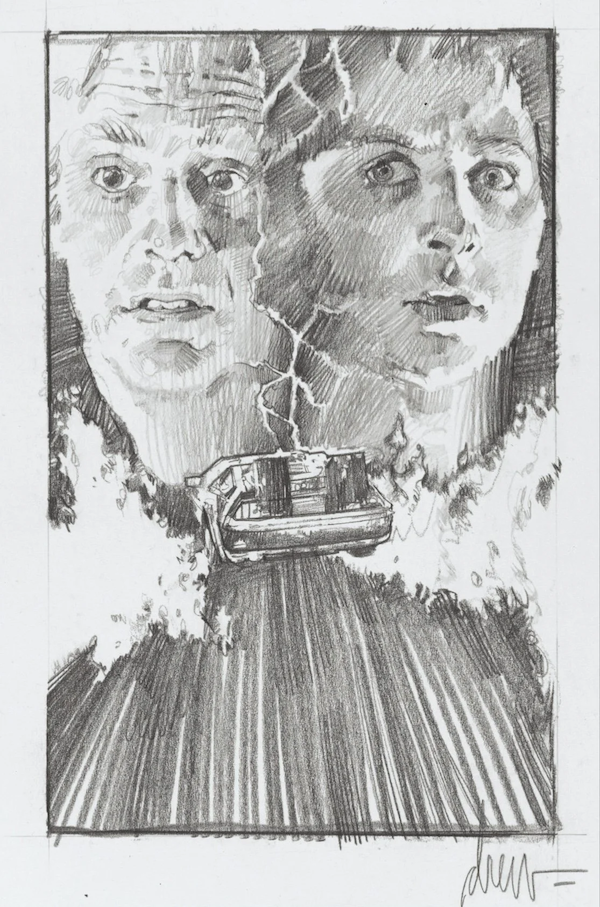
In the Back to the Future posters below, we see the Delorean going backwards in the poster:
Same for the ships in the Star Wars posters below: