ART MOVEMENTS: SURREALISM PART 2
The Struzan studies continue! I think the is the first blog post I’ve finished since his passing. I’m excited to continue learning about his mastery and marvel over his work and share the passion with others.
These first examples from Struzan is based on concepts of the Part 1 study on surrealism found HERE (Physical Contradiction and Scale Subversion)
DUAL REPRESENTATIONS
Like the previous study, I’m going to feature entirely Rene Magritte paintings as examples of surrealism.
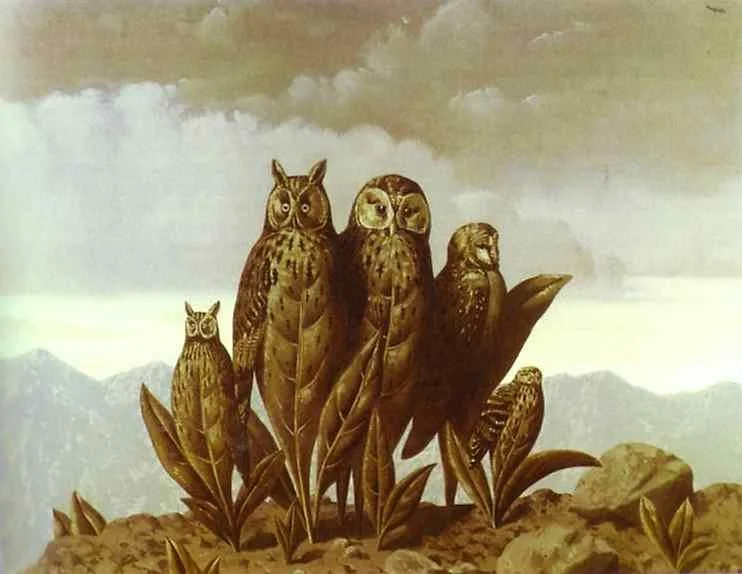
The Magritte painting below shows how two subjects are represented in the same form: owls and leaves
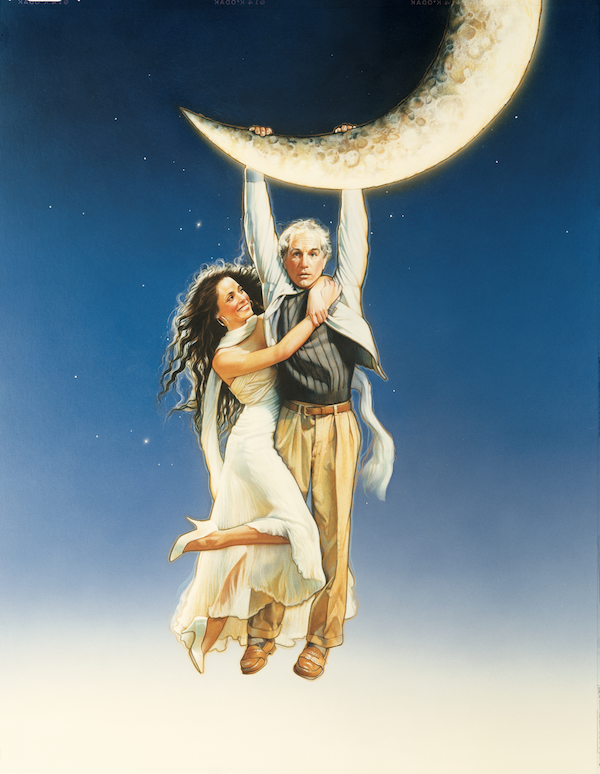
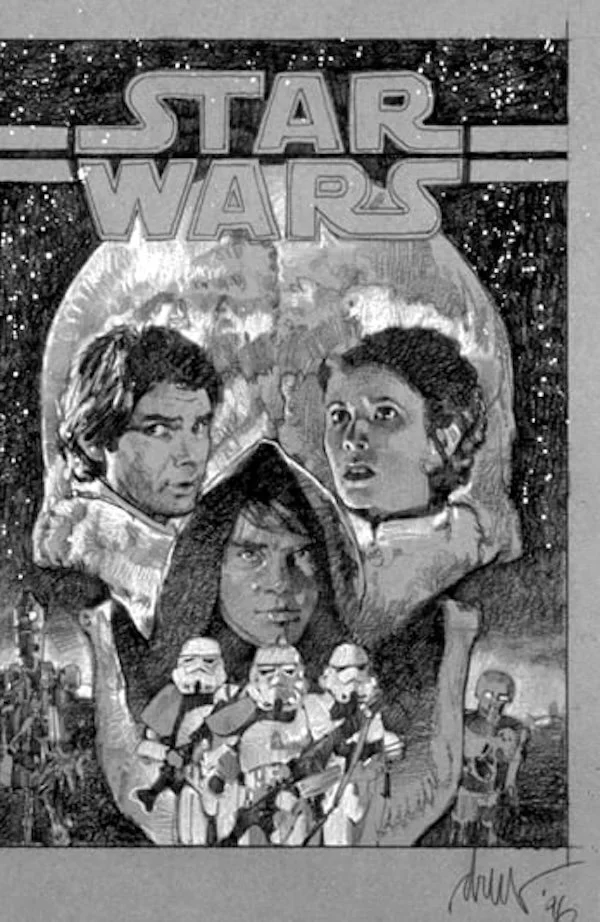
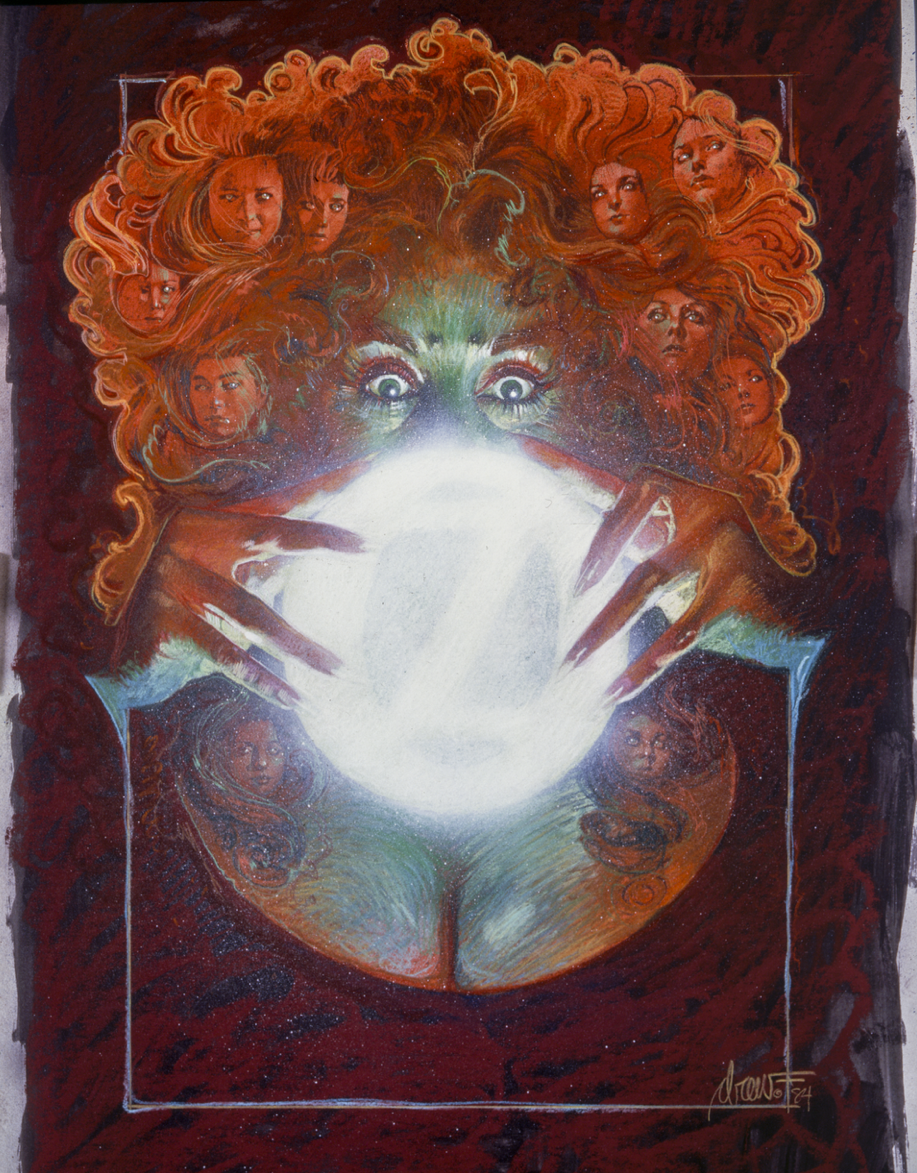
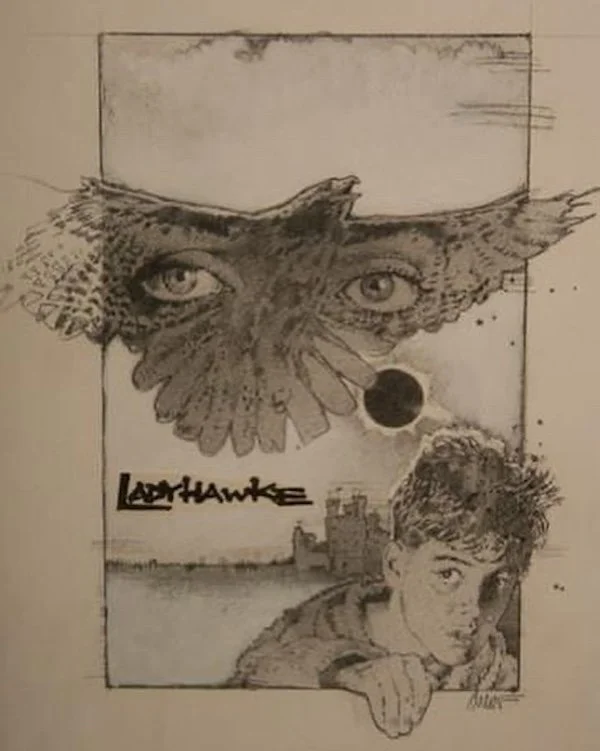
The Struzan examples below show how he uses a combination of subjects to form a unified whole of another:
What’s behind is ahead
Another observation: Magritte sometimes places elements of the background above the foreground like the sun and the moon:
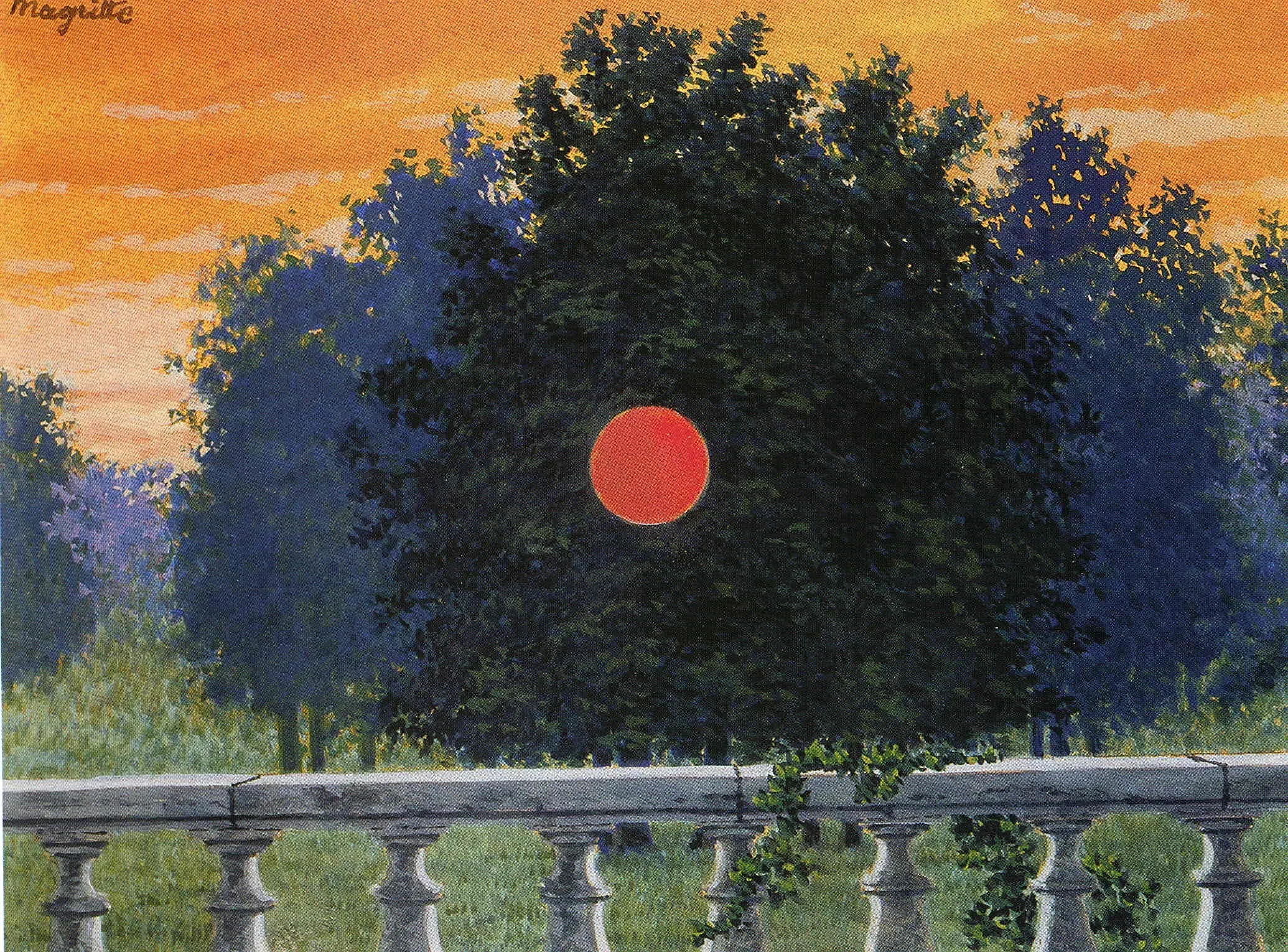
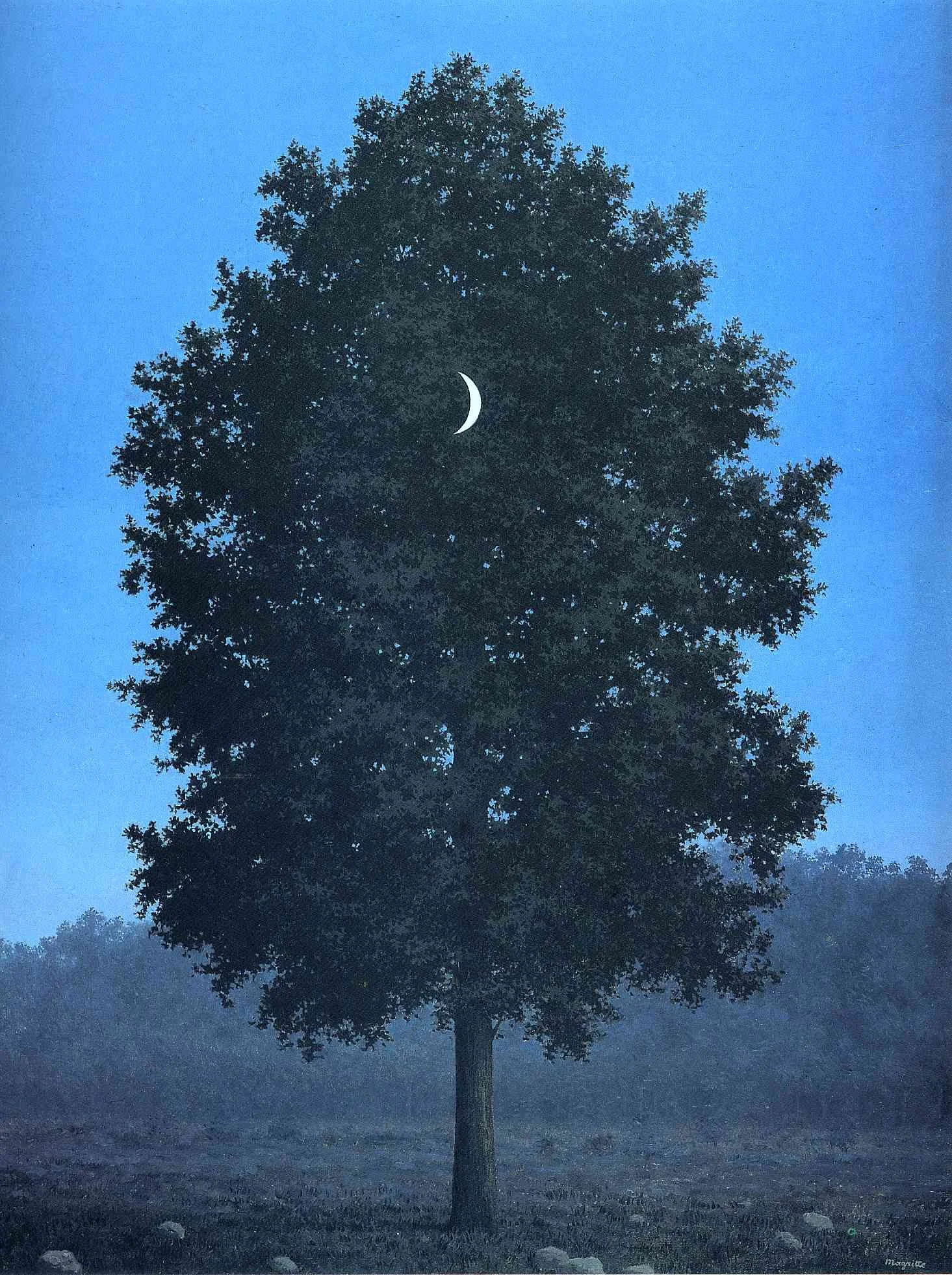
Struzan examples:
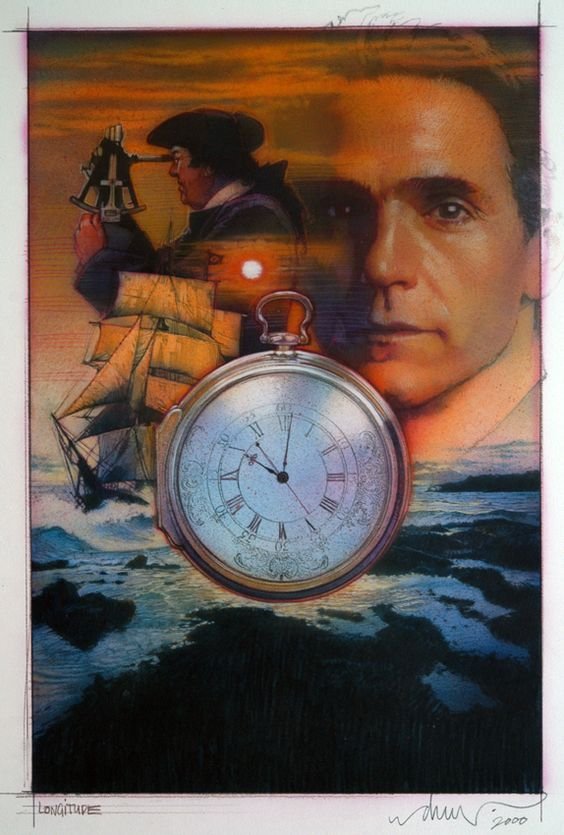
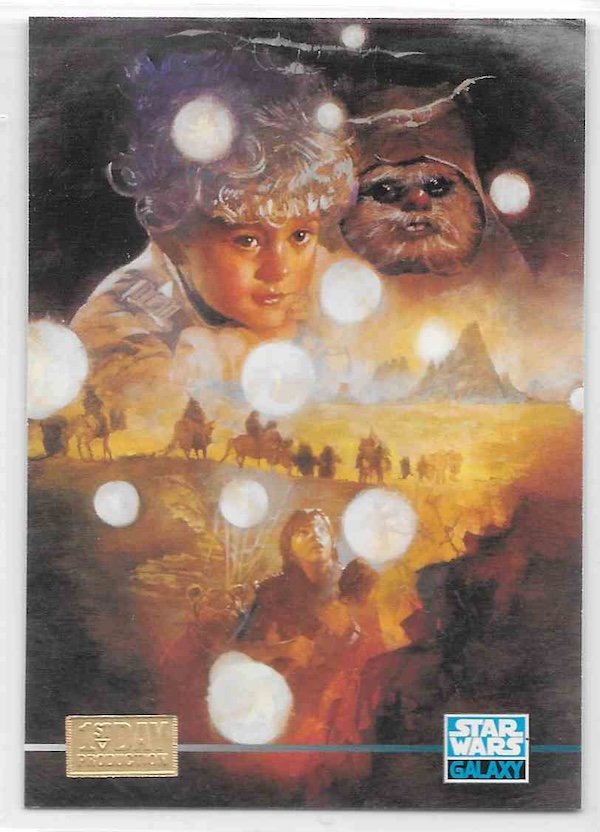
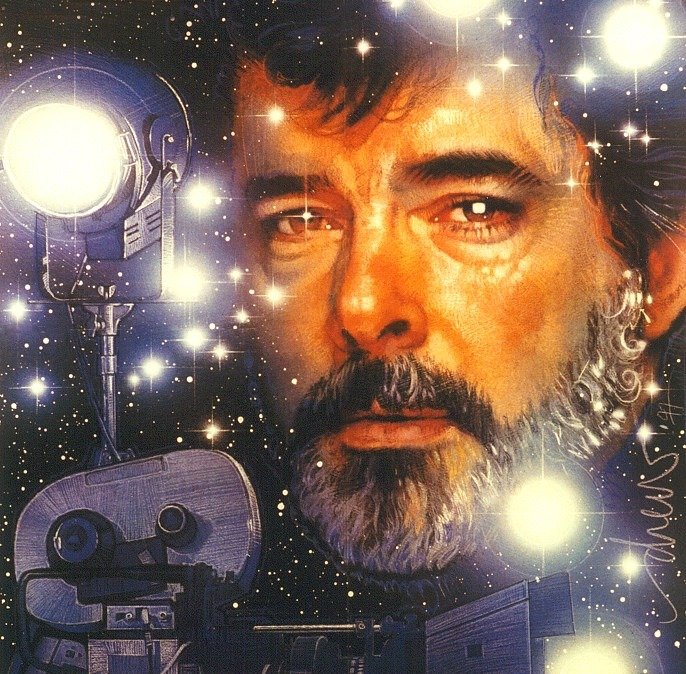
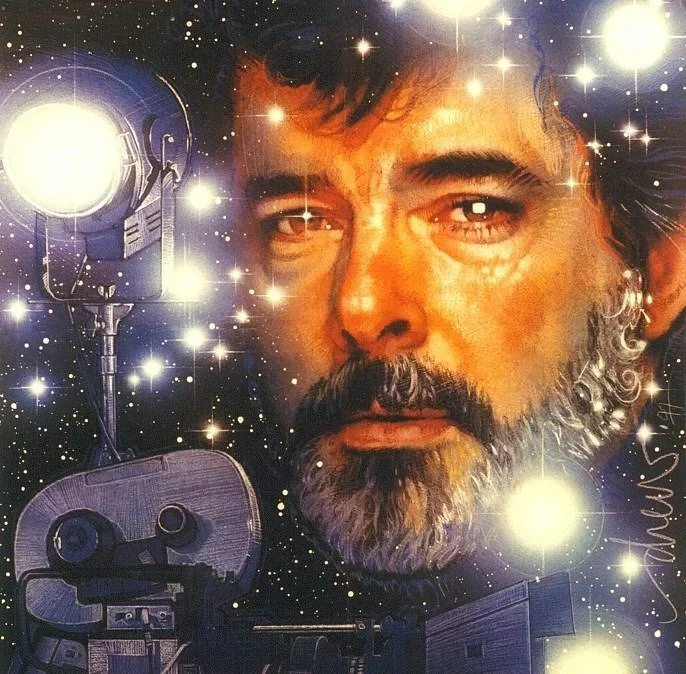
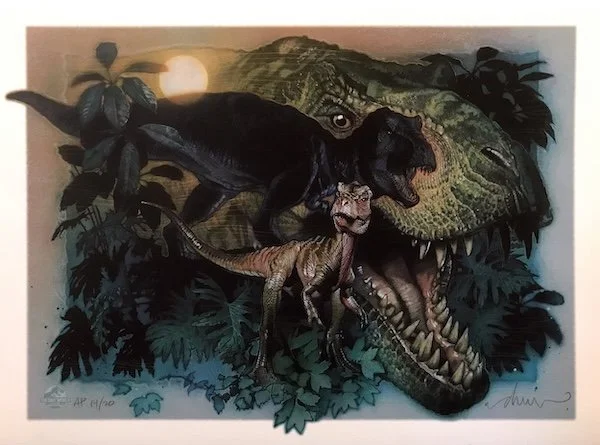
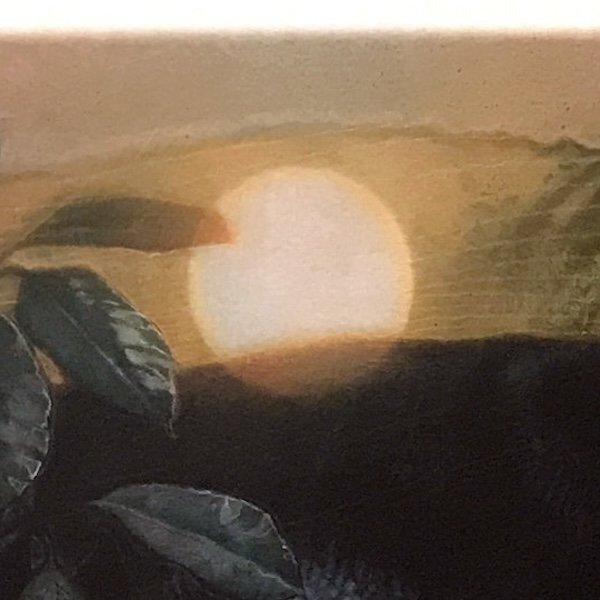
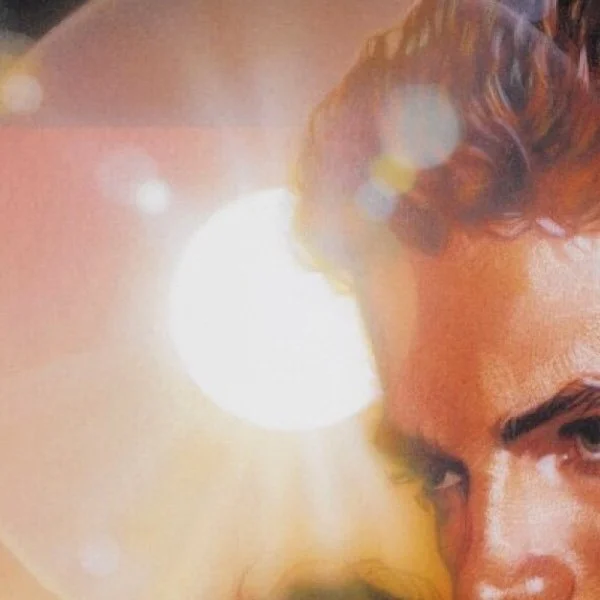
Struzan also does a variation of this motif. When the sun is behind the subject, he still completes the shape of the sun over the subject with semi-transparency:
Impossible Figures
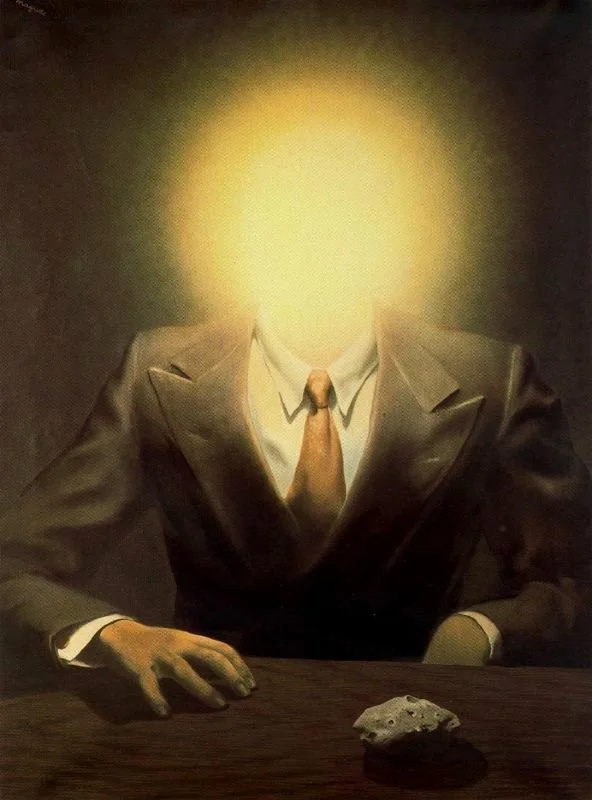
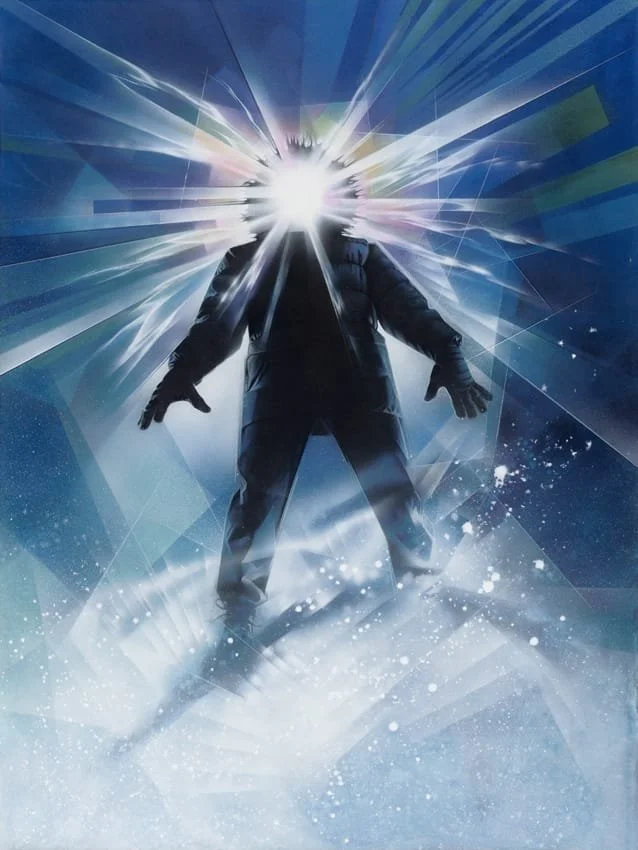
The next surrealism motif from Magritte is the impossible figure. It involves editing the human form into something unnatural light a luminous head:
Struzan’s take in The Thing
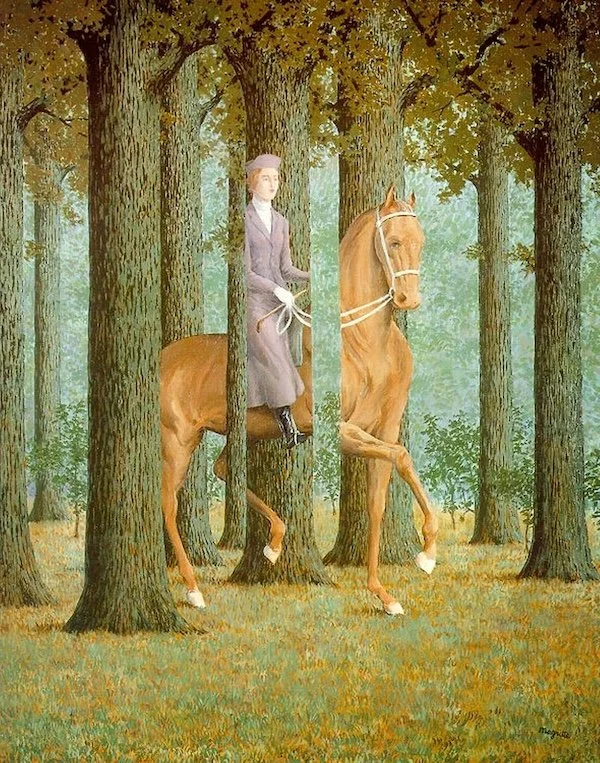
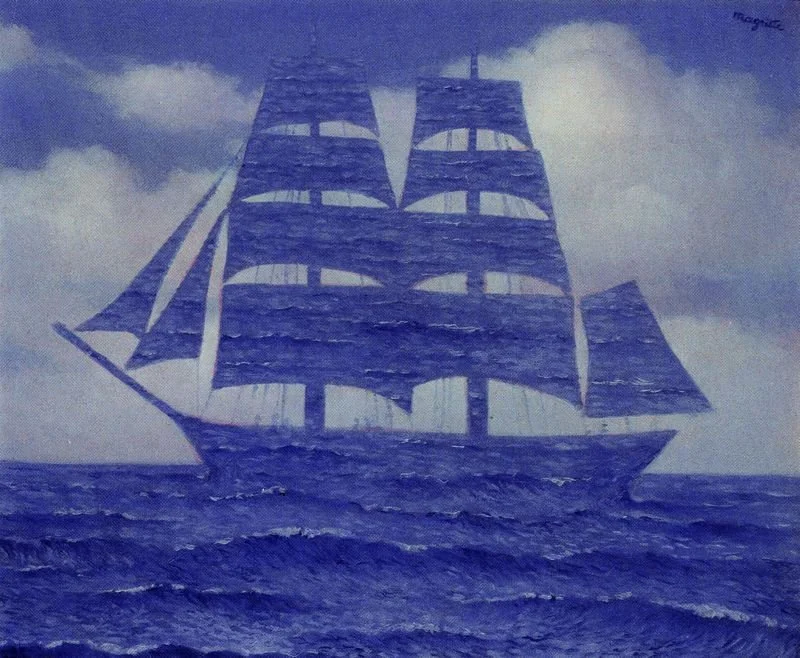
The last concept is trompe-l'œil or Trick of the Eye. This concept was shared with me and is the final piece to understanding more of Magritte and Struzan’s work for this study. Magritte uses negative spaces for trompe-l'œil below:
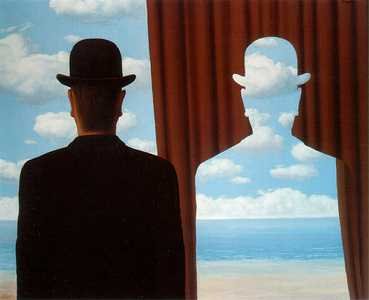
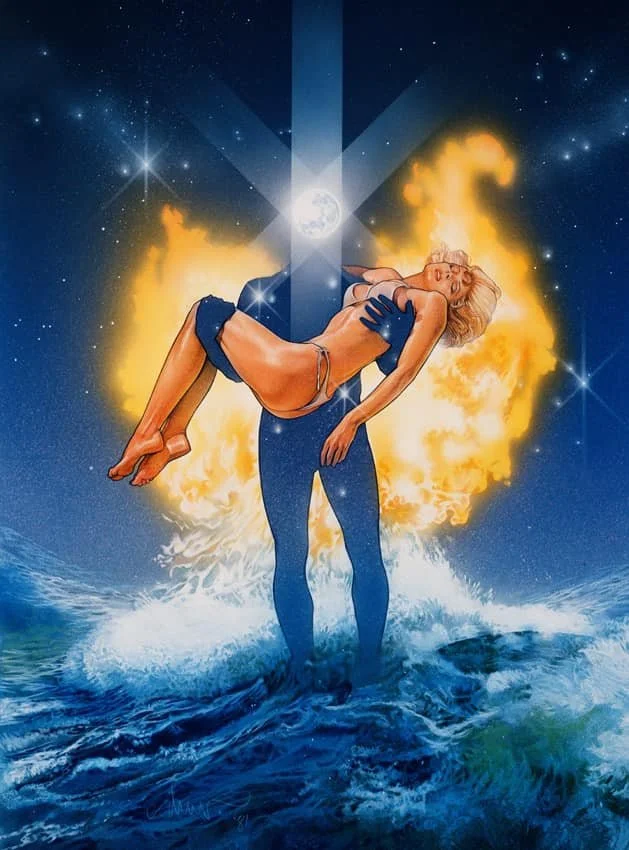
Bringing it all together in the Struzan example below:
Dual Representations: The Moon doubles as the man’s head
What’s Behind is Ahead: The background stars coming on top of the figure
Impossible Figures: The man is comprised of sky and moon
Trompe-l'œil: The man is made up of negative space of the night sky over and behind the woman, and in front of the fire